iPhone Duo: Pre-Orders Are Open, But Which One Would I Choose?
There have been plenty of iPhone launches over the years, but it's been a long time since Apple announced something that genuinely made me stop and think about how I use my phone. The iPhone Duo might just be that product. Not because it has the fastest processor or another improved camera, but because it changes something fundamental about the iPhone itself. For the first time, Apple's phone can unfold into something approaching a small tablet.
Pre-orders opened on Friday 16 October at 1pm here in the UK, with the first devices due to arrive on Friday 23 October. The starting price is a fairly eye-watering £1,999, which immediately makes this a more complicated buying decision than choosing between the regular iPhone and the Pro. At that price, you really need to understand what you're getting, and perhaps more importantly, what you're prepared to live without.
The Duo's biggest attraction is obviously its display. Closed, there's a 5.4-inch screen for the everyday business of messages, calls and quickly checking something while you're out. Open it up, however, and you're presented with a 7.6-inch display, with enough room for reading, browsing, viewing photographs and running apps side by side.
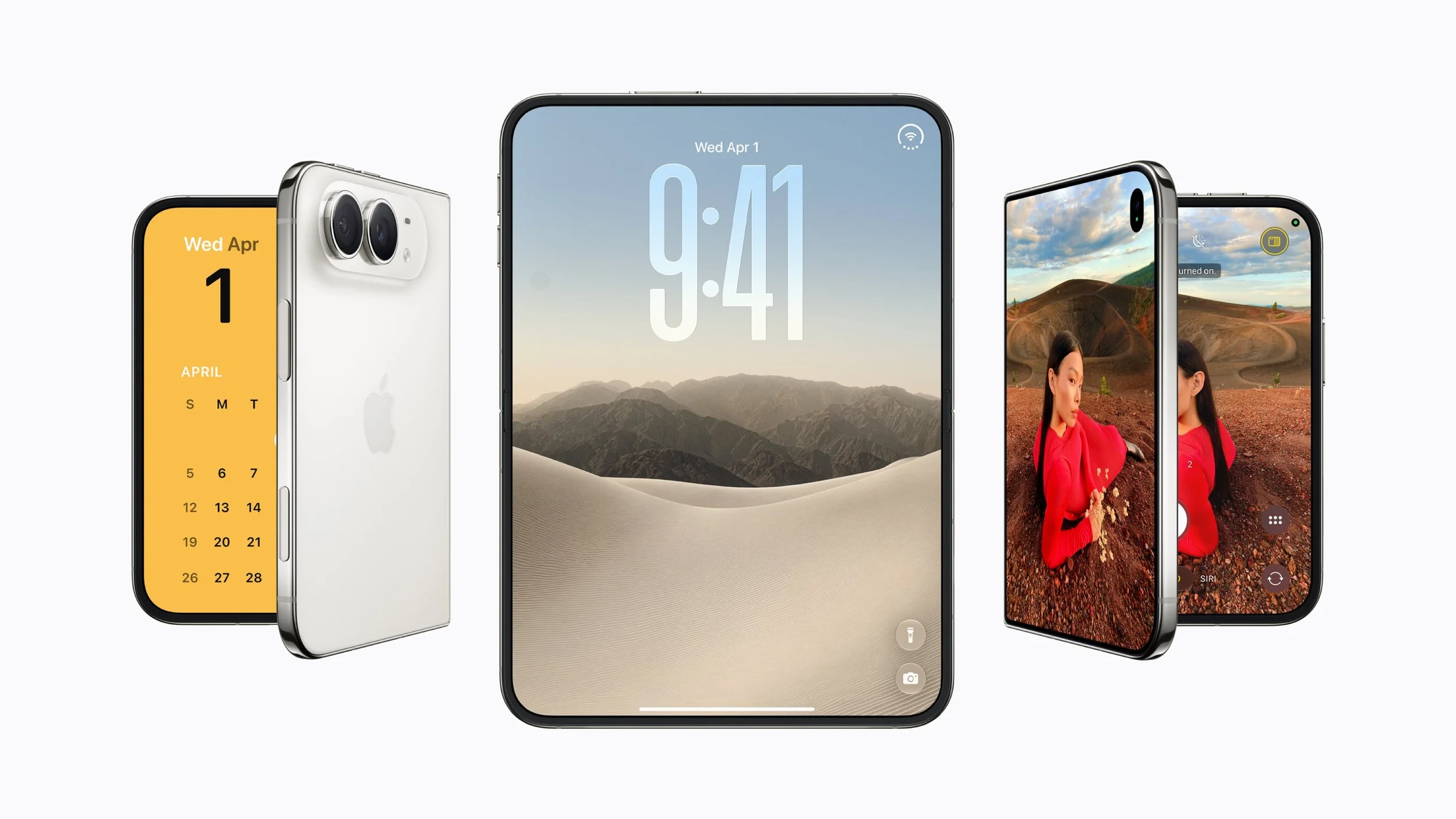
As somebody who spends a considerable amount of time working with technology, writing articles and developing my own applications, that's what interests me. I can imagine having a document open alongside Safari, reviewing something without constantly switching screens, or simply enjoying a more comfortable reading experience without reaching for an iPad. The interesting question isn't whether the larger display is impressive. It's whether I'd actually use it enough to justify the price.
Underneath, Apple has fitted its A20 Pro chip, alongside a dual-battery design and a titanium body. The Duo runs a version of iOS 27 designed to adapt to its folding display, including Split View multitasking. Apple has also retained premium features such as ProMotion and an Always-On display. It's clearly intended to be a serious, everyday iPhone rather than an experimental second device.
That doesn't mean it escapes compromise. Its camera system isn't identical to the dedicated Pro models, and Touch ID replaces the familiar Face ID arrangement. Then there's the hinge, the flexible inner display and the inevitable question of how everything will hold up after a couple of years of being opened and closed. Apple has put considerable engineering into its first foldable iPhone, but long-term durability is something we'll only truly understand once these devices have spent time in people's pockets.
Could the iPhone Duo Replace My iPad?
One of the things I'm most curious about is whether the iPhone Duo could eventually replace my iPad for everyday use. I've always appreciated the convenience of having a larger screen available, but there's something enormously appealing about carrying one device that can switch between being a conventional phone and something approaching a small tablet.
And, of course, there's another reason I'm particularly excited about that inner display: I've spent a considerable amount of time developing my own applications, and I can't wait to see what happens when I start running them on it.
Lesson Logger, my golf lesson and practice companion, already has an iPad interface, so I'm especially interested in discovering how that experience translates to the Duo's folding display. Will it feel like using the iPhone version with a little extra breathing room, or could it offer something much closer to the iPad experience?
Then there's Courta, my padel scoring application. The thought of opening the Duo, firing up Courta's kiosk mode and having a larger scoreboard available courtside is rather exciting. Whether the interface needs some adjustments to make the most of that unusual screen is something I'm looking forward to finding out.
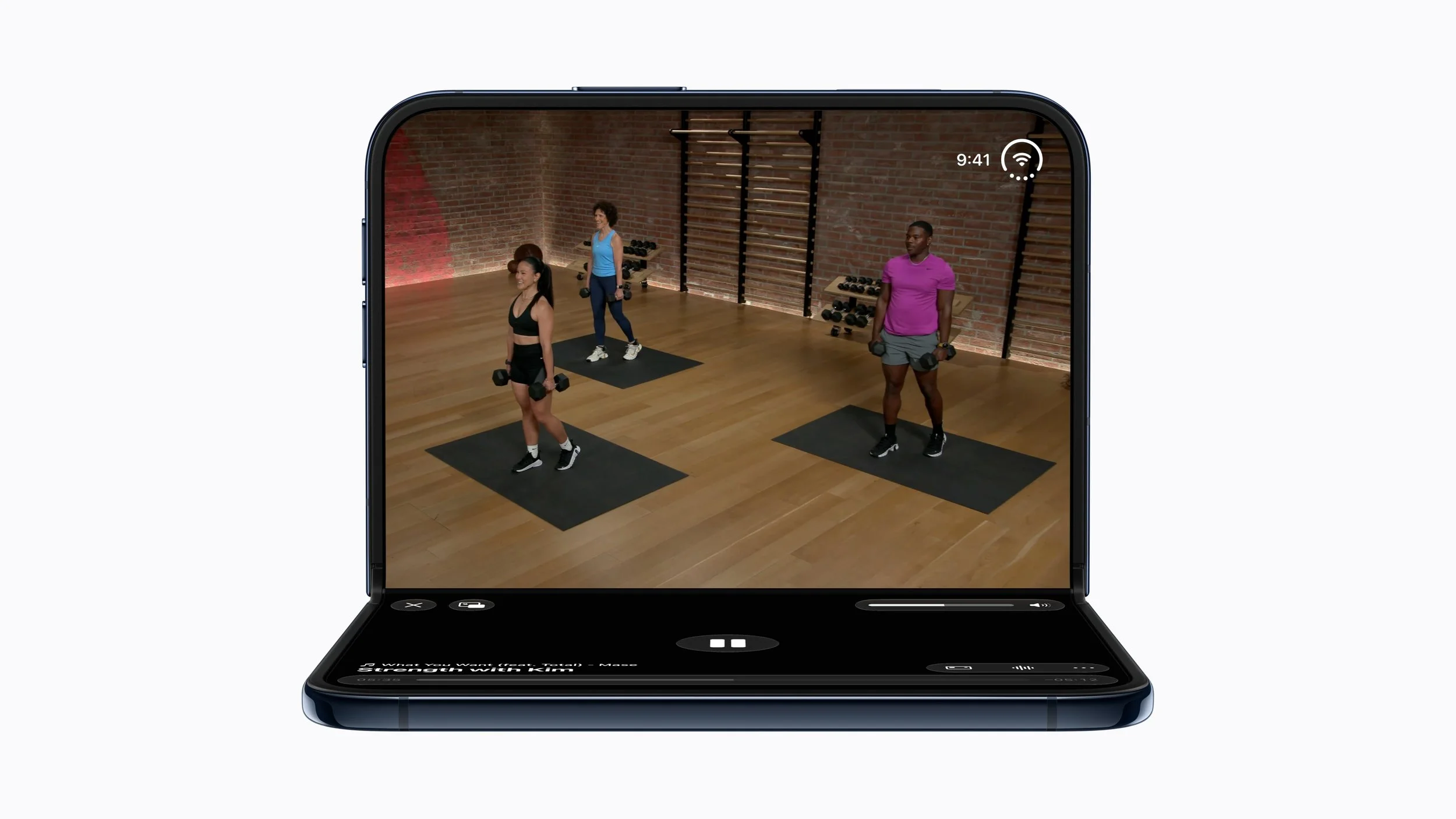
That's what makes the Duo particularly interesting to me. I'm not simply looking at it as another expensive iPhone. I'm looking at it as a different kind of device, one that might change how I use my existing applications and perhaps even inspire a few new ideas.
Of course, whether it genuinely replaces my iPad remains to be seen. But finding out is going to be half the fun.
So, if I were placing an order, which one would I choose?
For me, it would be the 256GB iPhone Duo in Star White. Apple doesn't offer a colour officially called Silver, but Star White, with that polished titanium finish, is the closest to the classic silver iPhone look that I've always appreciated. Night Sky is attractive, but the lighter model would be my choice.
As for storage, I find the 256GB starting capacity sensible. With photographs, documents and other material increasingly living in iCloud, I don't see an immediate reason to spend another £200 on the 512GB version. There are certainly people who record enormous amounts of video or keep extensive media libraries on their phones, but for my intended use, I'd rather put that extra money towards protecting the device.
And that brings me to something that has become surprisingly interesting about this launch: the cases.
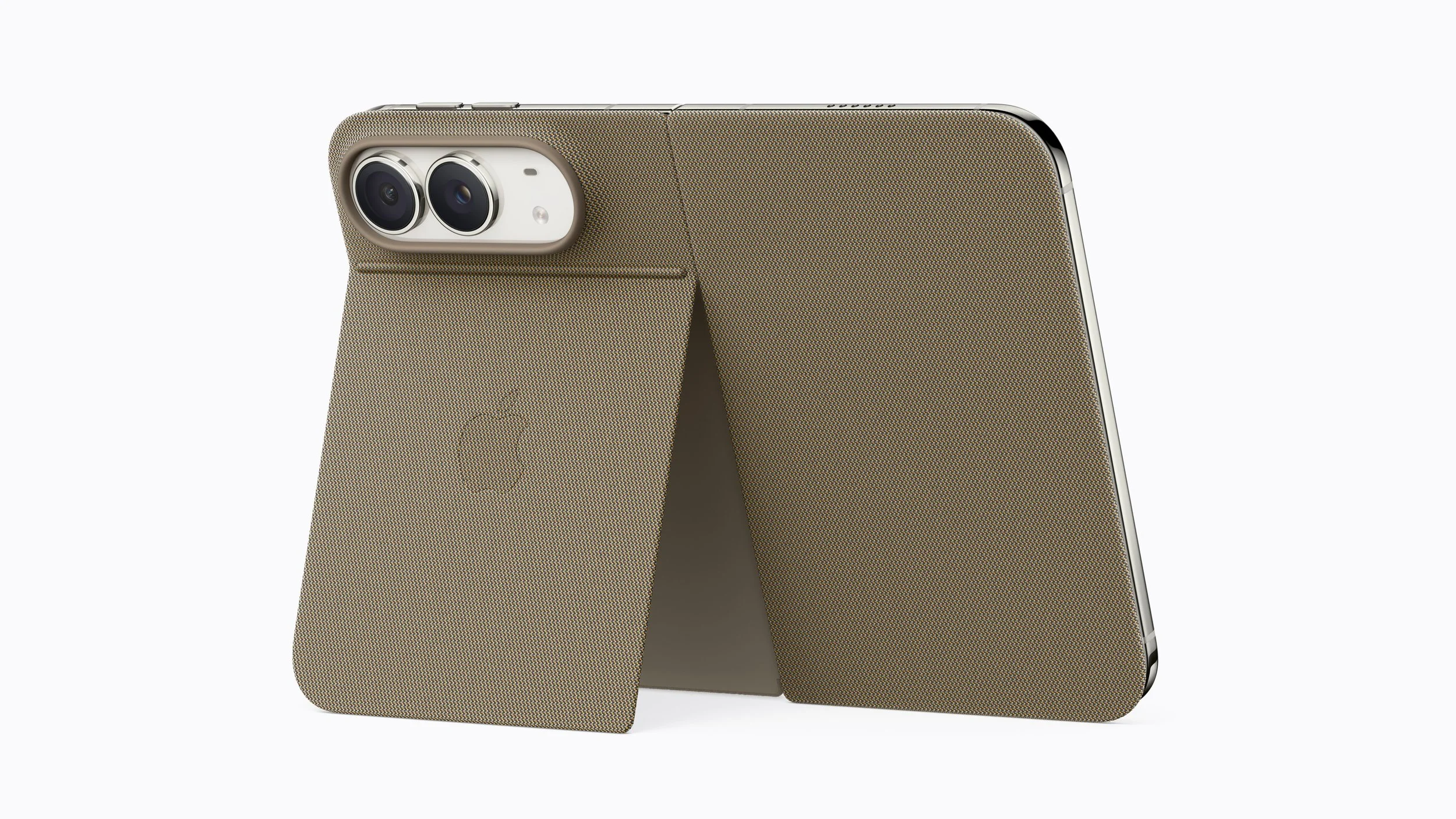
Apple has announced its own £79 iPhone Duo Case, along with a £129 Folio that includes a kickstand. The Folio certainly makes sense for a folding device, particularly if you intend to use that larger display for reading or watching something. Both options look thoughtfully designed, although neither is particularly cheap.
I've also been looking at Mous, whose approach to the Duo is rather unusual.
Mous is developing a version of its Limitless protective case specifically for Apple's foldable, with options for additional hinge protection. Rather than rushing the finished product out to meet the launch date, the company says it's still perfecting the design. Customers reserving the Limitless case can choose a complimentary temporary case made from recycled materials while they wait, or take a 10% discount instead.
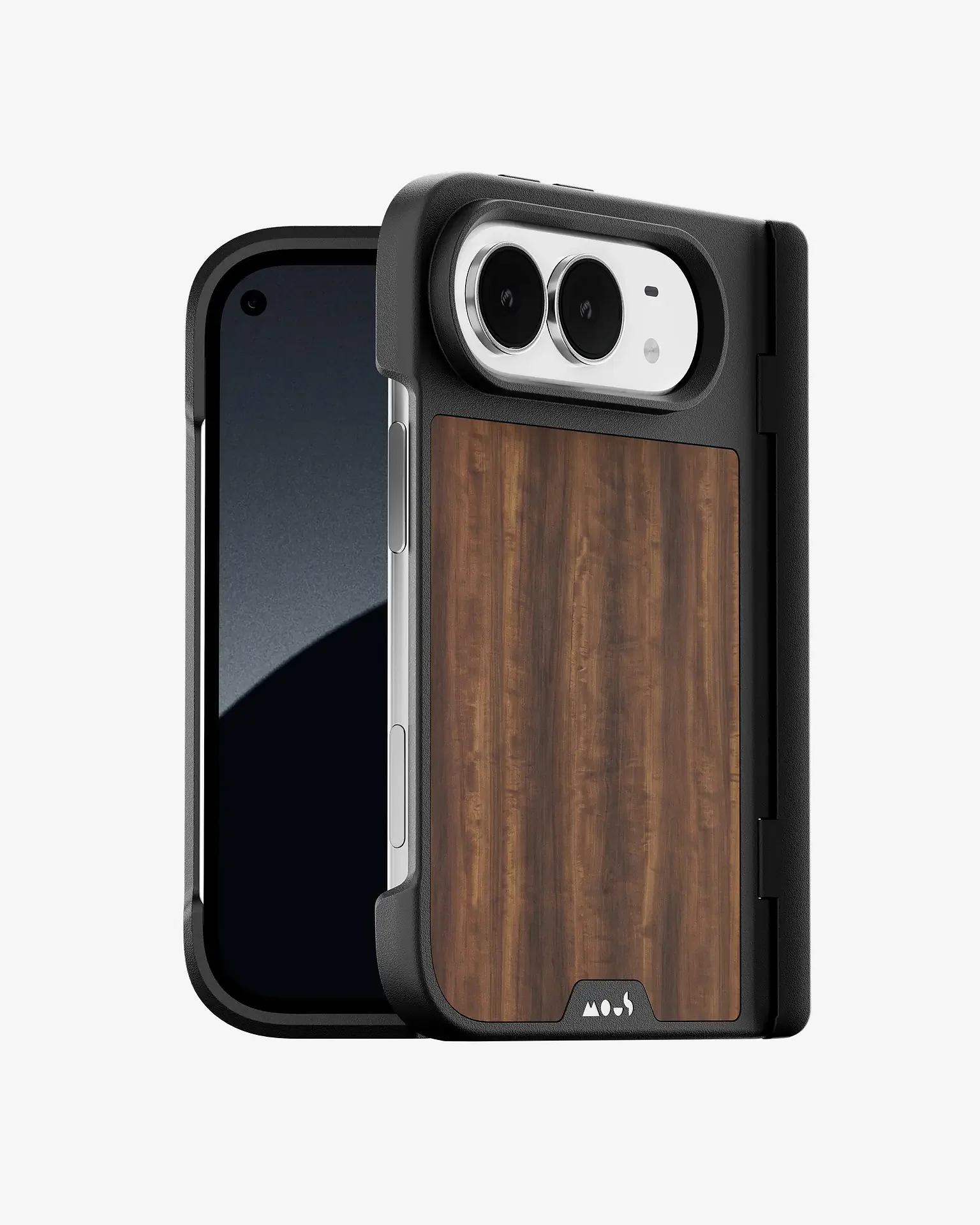
Image from Mous - Duo Limitless Phone Case
I rather like that idea. A folding phone presents different challenges from a conventional slab of glass and metal, particularly around the hinge. It's encouraging to see a case manufacturer taking the time to develop something specifically for the device rather than simply adapting an existing design and hoping for the best.
There is one practical detail worth noting: Mous's product listing says the temporary case ships in late October, while the finished Limitless follows when ready. That means anyone collecting a Duo on launch day shouldn't automatically assume the interim case will already be waiting at home. It's worth checking delivery estimates before relying on the offer.
At almost £2,000 for the phone alone, I'd also be giving AppleCare+ serious consideration. A case is a sensible precaution, but the possibility of damaging that large inner screen would certainly make me think twice about carrying the Duo completely unprotected.
Ultimately, the iPhone Duo feels like the most interesting Apple phone in years, although interesting and sensible aren't necessarily the same thing. An iPhone 18 Pro will undoubtedly be the more straightforward purchase for plenty of people, especially those who place greater importance on cameras, price or a familiar design.
But there's something exciting about a product that asks us to rethink the way we've used an iPhone for nearly two decades.
My choice would be straightforward: 256GB, Star White, with proper protection from day one. Whether the Duo turns out to be a brilliant new direction for the iPhone or simply an expensive glimpse of the future remains to be seen.
And perhaps that's exactly what makes it so fascinating.
iPhone Duo newsroom images used in this article : Apple owns the images.