Liberating AirPods Beyond Apple’s Ecosystem
If you’ve ever paired a pair of AirPods with a non-Apple phone, you’ll know the experience can be… basic. They play audio just fine, but those clever features Apple shows off aren’t available when you’re on Android or Linux. Until now. LibrePods is a free, open-source project on GitHub which is reshaping what’s possible by unlocking the hidden capabilities of Apple’s wireless buds on other platforms.
Created by a young developer with a knack for reverse-engineering proprietary tech, LibrePods is rapidly gaining traction in developer circles and among tech-savvy listeners craving more from their hardware. Instead of settling for ordinary Bluetooth audio, this project gives Android and Linux users a taste of what has long been exclusive to iPhones, iPads and Macs.
Why LibrePods Matters (Even If You’re Deep in Apple Land)
On Apple devices, AirPods benefit from tight integration with system software — everything from noise cancellation switching to automatic ear detection is baked into iOS and macOS. It’s one of the reasons AirPods feel so polished and magical. On Android or Linux? Not so much. Outside the Apple ecosystem, most devices fall back to a generic Bluetooth profile, leaving most advanced features dormant.
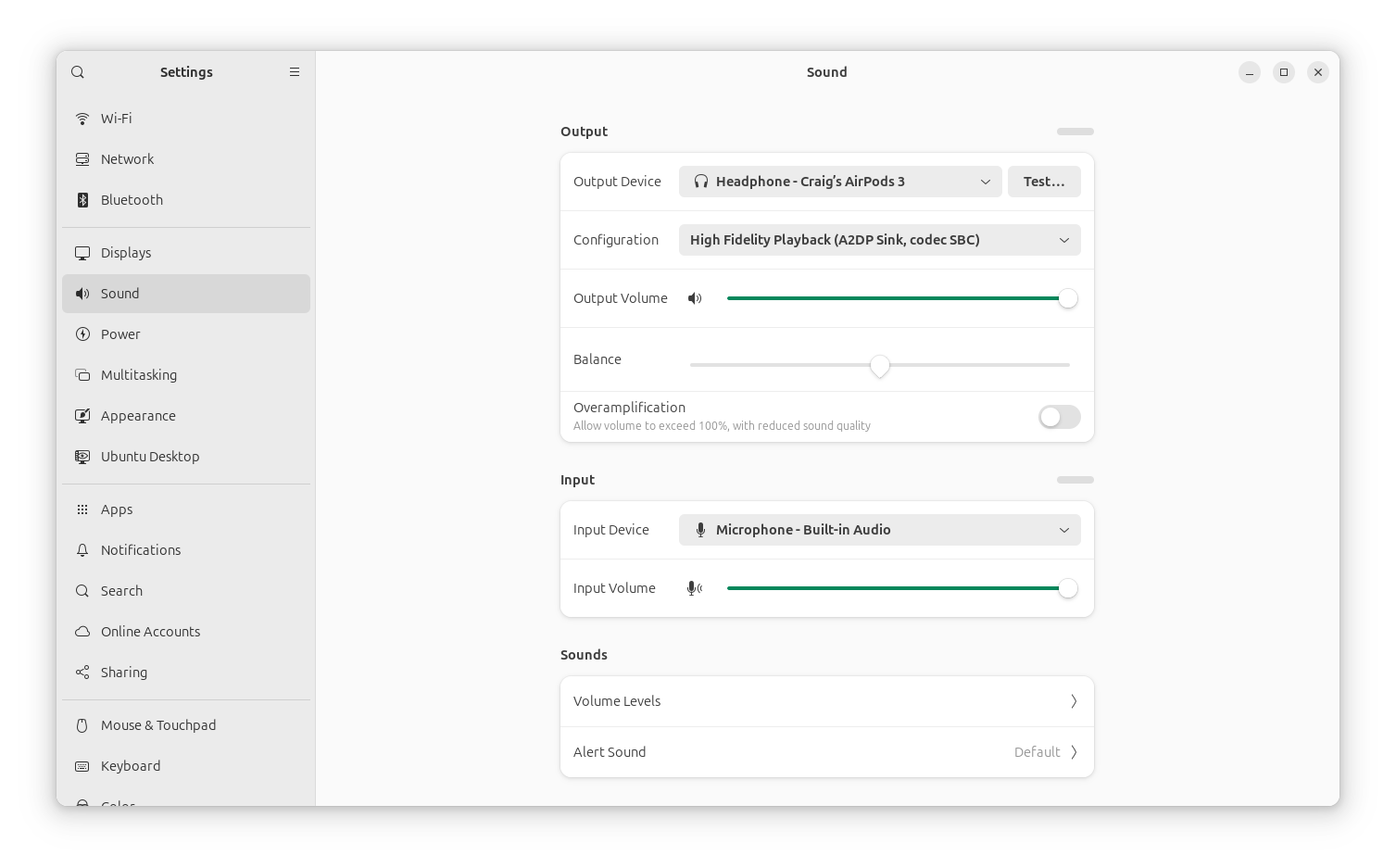
LibrePods changes that by effectively speaking the same language AirPods use with Apple products. Instead of accepting the rudimentary experience most devices offer, LibrePods lets a non-Apple system interact with AirPods in a much deeper way, bringing functionality that was never officially supported before. This isn’t just a niche enthusiast novelty — it’s a meaningful step toward breaking the walls built around modern hardware.
Behind the Scenes: A Brief Look at How It Works
At its core, LibrePods doesn’t reinvent the wheel — it deciphers it. AirPods use a proprietary communication protocol to share rich data with Apple devices. LibrePods analyses and implements enough of that protocol so an Android or Linux host can mimic an Apple device, coaxing the buds into sharing advanced status info and accepting commands that would otherwise be ignored.
The result is an experience that feels much more like native integration than a hacky workaround. Granted, there are technical hurdles: on Android, full support currently depends on specific system frameworks (such as Xposed) or root access due to limitations in how Android’s Bluetooth stack exposes device capabilities. But even with those constraints, the gains are undeniable.
What You Actually Get — Real World Impact
Unlike typical Bluetooth audio apps that simply display a battery percentage, LibrePods gives you context and control. Users report that once set up, their device responds as if it were part of Apple’s ecosystem. Features that were previously sealed away — from adaptive audio modes to clever gesture detection — become available. Reviews and community reactions highlight:
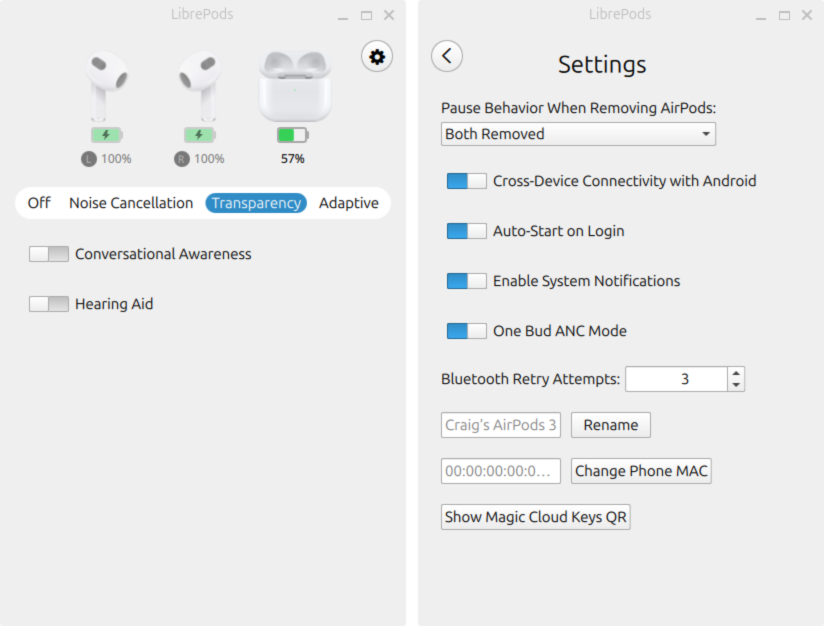
Automatic behaviour that feels intuitive: Music pauses when you take an earbud out, reconnects smoothly, and transitions audio sensibly without manual toggles.
Smarter audio control: Noise modes and environmental awareness kick in from your device’s UI rather than relying on the buds to guess what you want.
Gesture support: Unique input methods like nodding to answer a call — once only available on Apple hardware — start working elsewhere.
Battery and connection insights: No more guessing how much life is left in your buds.
Customisation potential: Developers can experiment with settings and tweaks that Apple doesn’t expose even on its own platform.
These improvements make AirPods a far more capable companion on non-Apple devices — and for listeners who switch between Android and Linux boxes throughout the day, that’s huge.
Open Source, Community-Driven, and Evolving Fast
LibrePods isn’t a polished consumer app from a multinational tech giant — it’s the product of community effort and open collaboration. That means anyone can explore the code, learn from it, or contribute improvements. It’s licensed under GPL-3.0, ensuring that future innovation builds on a free and transparent foundation.
This community aspect is a big part of why LibrePods is exciting. Contributors from around the world are refining compatibility, expanding platform support, and pushing the project forward with a brand new UI. Compared to many proprietary audio tools, this kind of collective refinement often leads to better long-term outcomes, particularly for under-served platforms like Linux.
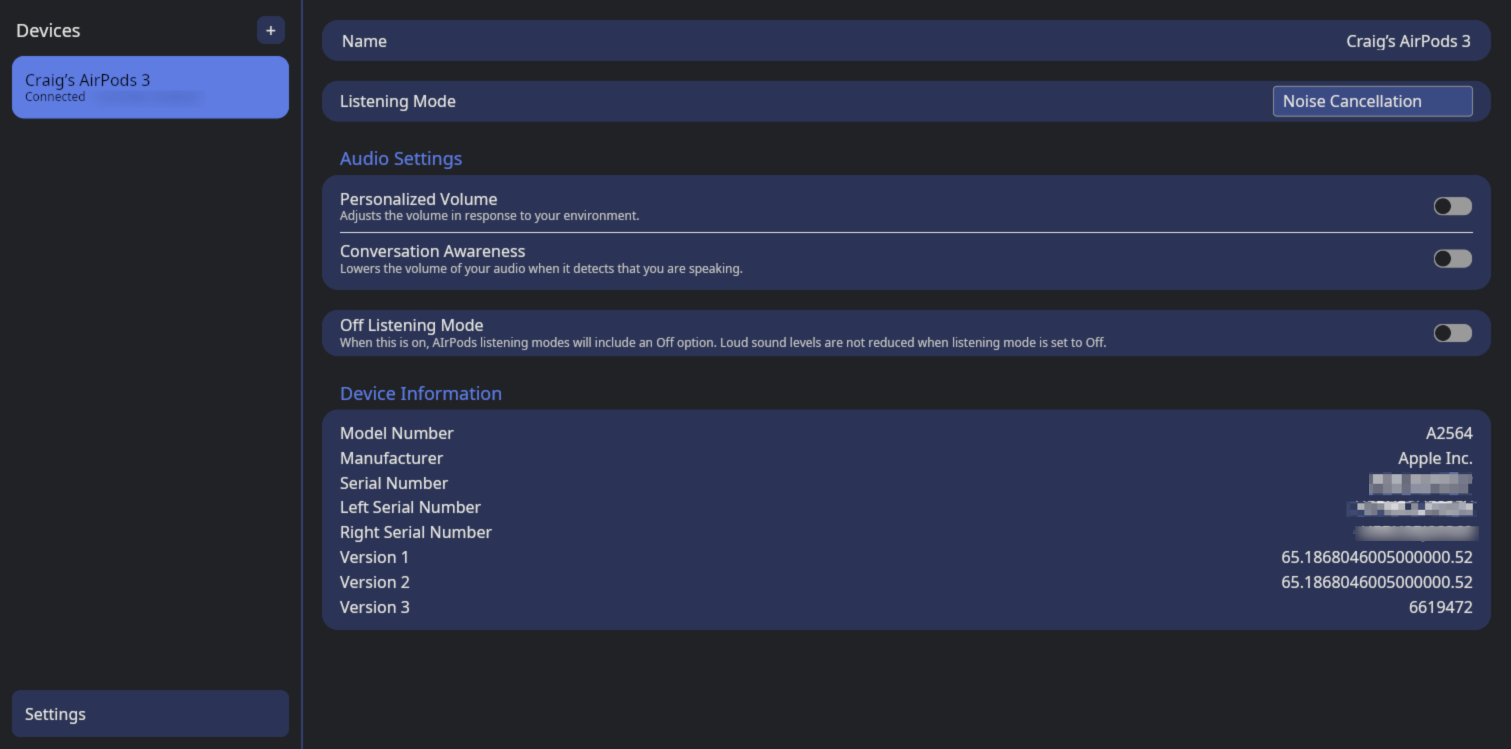
LibrePods new UI for Linux
The Apple Geek Take — Why You Should Care
At The Apple Geek, we celebrate how great hardware and software together can elevate everyday tech. But we also recognise when thoughtful innovation opens doors beyond corporate ecosystems. LibrePods isn’t about tearing down Apple’s achievements it’s about extending choice and agency for users who don’t want to be boxed in. It’s a reminder that, with enough ingenuity, even the most tightly controlled tech can be explored and expanded.
For Apple aficionados who dabble outside the orchard, or for anyone curious about how deep open source can go, LibrePods is a fascinating project worth watching. Its success doesn’t just bring features to new platforms it inspires a broader conversation about ownership, interoperability, and the future of connected audio devices.
Want to Try It Yourself?

If you’re technically inclined and comfortable with community-built software, check out the LibrePods repository on GitHub for installation instructions and contribution guidelines. The project is evolving quickly, and support for different devices and configurations continues to improve.